Understanding Culture: The Heartbeat of Human Society
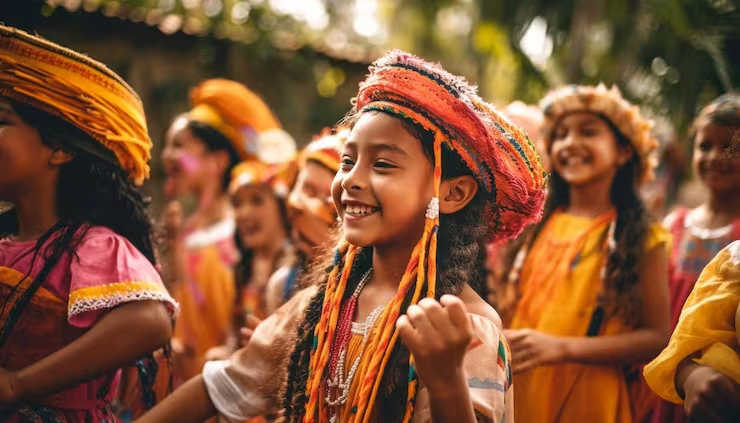
Shakib Howlader 2
Writer
Tuesday, October 14, 2025
0 views
Understanding Culture: The Heartbeat of Human Society
Culture is one of the most fascinating and complex aspects of human existence. It shapes how we think, behave, and connect with each other. From the languages we speak to the festivals we celebrate, culture is the invisible thread that weaves together the fabric of societies around the world.
What is Culture?
At its core, culture is the set of shared beliefs, values, customs, and practices that define a group of people. It’s more than art, music, or food; culture influences how individuals perceive the world and interact with it. It evolves over time, absorbing influences from history, geography, technology, and even globalization.
The Elements of Culture
Culture manifests in many forms:
Language: It’s more than a communication tool; language reflects a society’s identity and worldview.
Traditions and Customs: Rituals, ceremonies, and daily practices pass down collective wisdom and strengthen community bonds.
Arts and Entertainment: Music, painting, literature, dance, and theater are expressions of human creativity, reflecting social values and emotions.
Food: Cuisine tells stories about geography, climate, history, and trade. Sharing meals often strengthens social ties.
Beliefs and Values: Religion, philosophy, and ethics guide behaviors and decision-making within a society.
Why Culture Matters
Culture is not just a reflection of a society—it actively shapes it. Here’s why it matters:
Identity and Belonging: Culture provides a sense of identity and belonging. It tells people who they are and where they come from.
Social Cohesion: Shared cultural practices foster understanding, trust, and cooperation within communities.
Innovation and Creativity: Cultural diversity inspires new ideas and perspectives, fueling creativity in art, science, and technology.
Preservation of History: Cultural heritage preserves the lessons and achievements of past generations.
The Impact of Globalization
In today’s interconnected world, cultures are increasingly interacting, blending, and sometimes clashing. While globalization promotes cross-cultural understanding and exchange, it also poses challenges, such as the risk of cultural homogenization. Balancing tradition with modernity is one of the central challenges of our time.
Embracing Cultural Awareness
Being culturally aware means recognizing, respecting, and learning from the diversity of human experiences. Traveling, reading, engaging with art, and participating in festivals from different cultures are all ways to broaden one’s understanding. In doing so, we build empathy, reduce prejudice, and enrich our own lives.
Conclusion
Culture is the invisible force that shapes societies and individuals alike. It tells the story of who we are, where we come from, and what we value. Embracing culture in all its forms not only strengthens our connections with others but also helps us understand the diverse, beautiful tapestry of human existence.
Category:
Culture